Europe is one of the most diverse scuba diving regions in the world, offering everything from warm-water wreck dives and dramatic limestone drop-offs to cold-water fissures, fjords, and big-animal encounters. Whether you’re a newly certified diver or an experienced technical diver, European diving delivers variety, history, and accessibility unlike anywhere else.
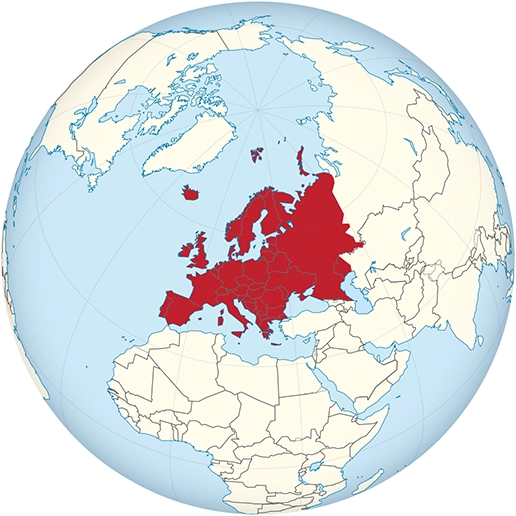
Why Dive in Europe?
Scuba diving in Europe stands out for several key reasons:
- Unmatched wreck diving – from WWII aircraft to massive oil tankers
- Excellent visibility in many regions (often 30–40 m)
- Year-round diving options across different climates
- Easy travel between countries and dive regions
- Strong infrastructure with professional dive centres and training facilities
Europe is also ideal for divers who enjoy history, underwater archaeology, and dramatic seascapes, not just coral reefs.
Explore Oceanatik’s complete guide to scuba diving in Europe, with easy-to-follow guides for each destination. Learn where to dive, what marine life to expect, the best conditions, and the ideal time to go, then dive deeper into each region and country to plan your next underwater adventure.
Top Scuba Diving Destinations in Europe
🇲🇹 Malta& Gozo – Wreck Capital of the Mediterranean
Diving in Malta is often considered among the very best in Europe. Excellent visibility, easy access, and a high concentration of dive sites make the Maltese Islands a standout destination. Top spots are spread across Malta itself as well as Gozo, home to the famous Blue Hole. The islands are especially popular with divers who enjoy wreck diving and shore diving, with many sites reachable directly from land. Less widely known is the wreck diving available right below the historic walls of Valletta, offering a unique urban diving experience.
Marine life in Malta is varied rather than dense. Expect to see scorpionfish, moray eels, seabreams, fireworms, and plenty of nudibranchs tucked into the rocky reefs and wrecks. Malta suits both beginners and experienced divers thanks to its calm conditions and wide range of dive profiles. Water temperatures are comfortable for much of the year, and most divers use a 5 mm wetsuit during the main season. July to October is generally the best time to dive, but the Maltese Islands offer reliable, year-round diving for those willing to adjust exposure protection.
What makes Malta special:
- Over dozens of purpose-sunk wrecks
- Shore diving access to deep sites
- Warm Mediterranean waters
- Excellent visibility year-round
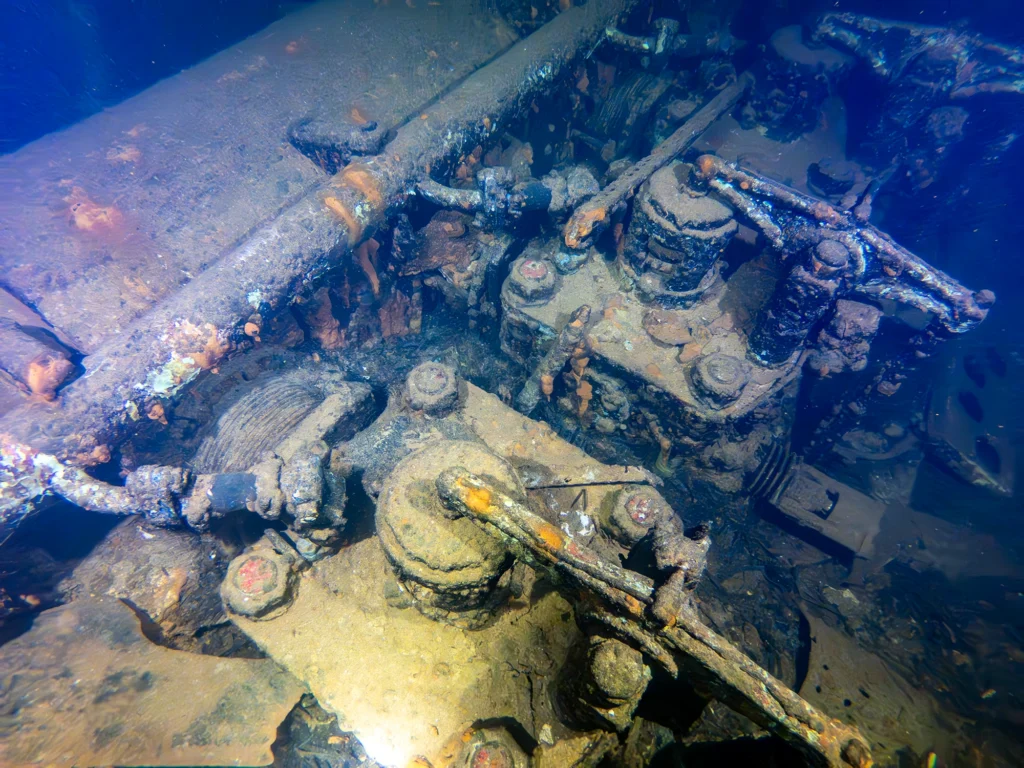
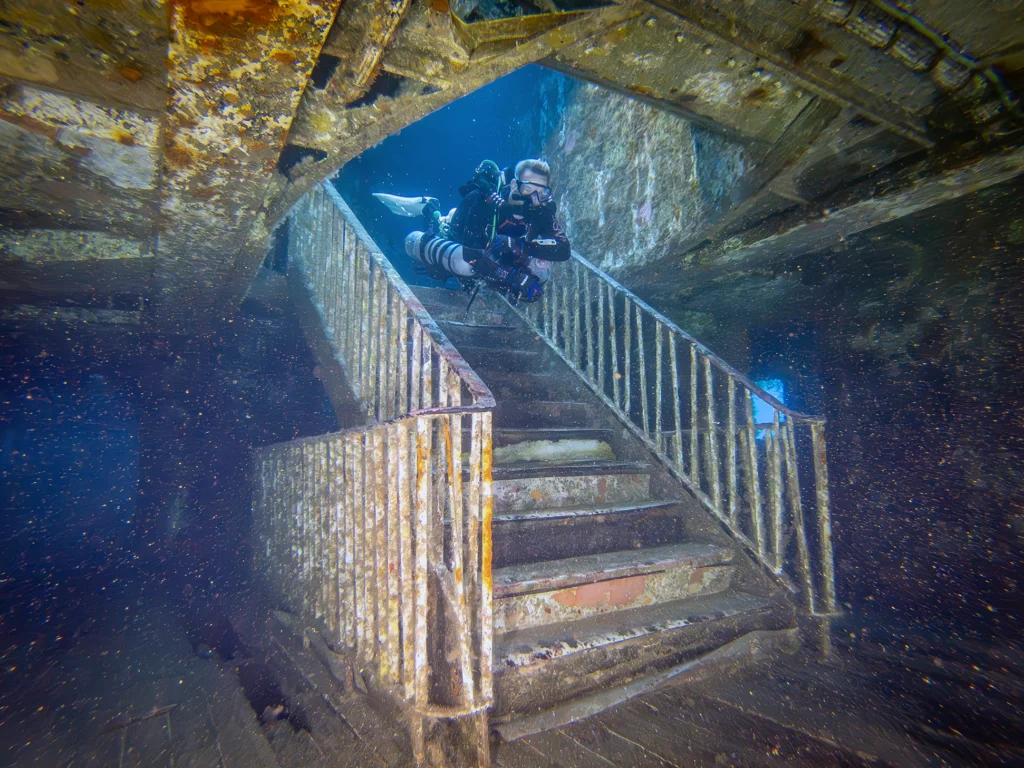
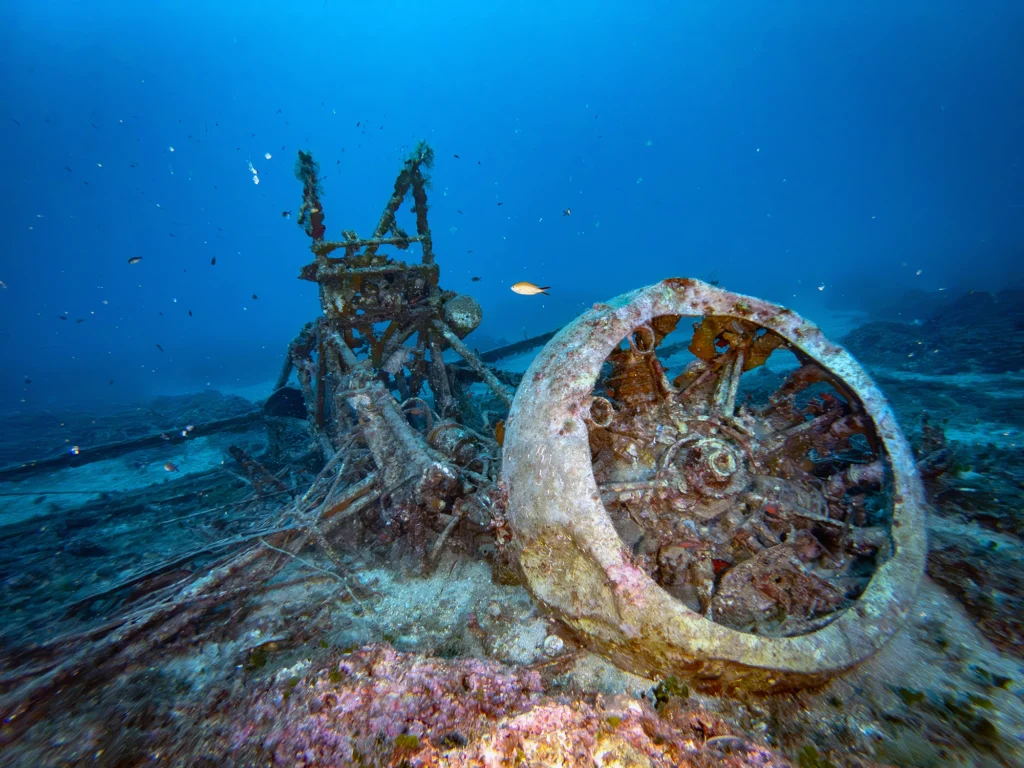
Highlights include iconic wrecks like Um El Faroud, dramatic sites such as the Blue Hole, and historic WWII relics scattered across the seabed.
Best for: wreck diving, technical diving, advanced recreational divers
Water temperature: 14–27 °C
Best season: April–November
🇪🇸 Spain – Canary Islands: Volcanic Landscapes & Pelagic Encounters
Diving in Spain is among the best in Europe, thanks to its long coastline and variety of dive regions. The most famous destination is the Canary Islands, known for volcanic landscapes and year-round diving. On the mainland, the Costa Brava, stretching from Barcelona to Cadaqués, offers some of the best Mediterranean diving, including the renowned Medes Islands Marine Reserve. Less talked about but well worth exploring are Costa Cálida in the Murcia region and the clear waters of the Balearic Islands.
Marine life in Spain is diverse and easy to spot, especially around reefs and marine reserves. Common encounters include groupers, octopuses, barracudas, moray eels, and a wide variety of nudibranchs. Spain works well for both beginners and experienced divers, with calm sites, deeper walls, and drift dives depending on the region. Water temperatures are cooler than many expect, and a 7 mm wetsuit is the most common setup for Mediterranean diving. The best conditions are usually from July to September, while the Canary Islands remain a reliable option for diving throughout the entire year.
Divers can expect:
- Angel sharks (especially around Tenerife and Lanzarote)
- Rays and sea turtles
- Striking underwater volcanic scenery
- Unique dive sites such as the Museo Atlántico
Best for: year-round diving, marine life encounters, underwater photography
Water temperature: 18–24 °C
🇮🇹 Italy – History Beneath the Waves
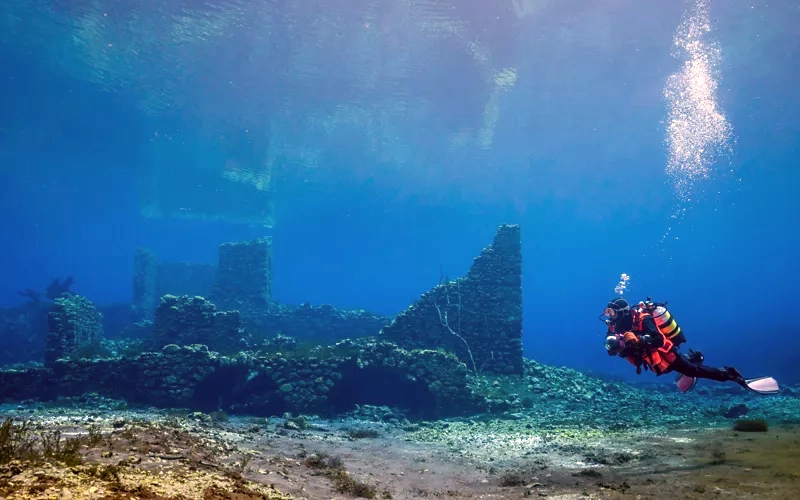
Diving in Italy is widely regarded as some of the best in Europe, combining rich history with classic Mediterranean scenery. Among the most famous sites is the Portofino Marine Reserve, known for clear water, steep walls, and abundant life. Italy also stands out for its unique archaeological dives, especially the Baia Underwater Archaeological Park, where submerged Roman villas, mosaics, and roads can be explored underwater. Less well known, but equally rewarding, are dives around Sardinia and Sicily, particularly the marine reserve surrounding Ustica Island.
Marine life in Italy is typical of the Mediterranean and easy to spot on most dives. Groupers, octopuses, barracudas, moray eels, and nudibranchs are common, especially within protected areas. Italy works well for both beginners and experienced divers, offering shallow reefs, walls, wrecks, and archaeological sites. Water temperatures are moderate, and a 7 mm wetsuit is the most common choice for much of the season. The best time to dive is generally from July to October, when sea conditions are calm and visibility is at its best.
Top regions include:
- Sardinia
- Sicily
- Ustica Marine Protected Area
Best for: relaxed diving, underwater archaeology, macro life
Water temperature: 15–25 °C
🇵🇹 Portugal – Azores: Big Animals & Blue Water
The Azores sit in the middle of the Atlantic and are one of Europe’s best destinations for true blue-water diving. Known for dramatic seamounts and deep ocean drop-offs, this remote archipelago attracts large pelagic species and delivers some of the most exciting offshore diving in the region. Encounters are often in open water, with strong currents and excellent visibility, making every dive feel like a real expedition.
Expect:
- Blue sharks and mobula rays
- Tuna and barracuda
- Seamount dives like Princess Alice Bank
Best for: advanced divers, big-animal encounters
Water temperature: 18–24 °C
🇮🇸 Iceland – Dive Between Continents
Diving in Iceland ranks among the best in Europe. The country is known for iconic shore dives like Thingvellir National Park and the world-famous Silfra Fissure, where you can swim between two tectonic plates. Iceland is especially appealing for divers who enjoy cavern-style environments. Less well known, but just as fascinating, is the chance to dive at Strytan, a geothermal site where warm freshwater vents rise from the lake floor.
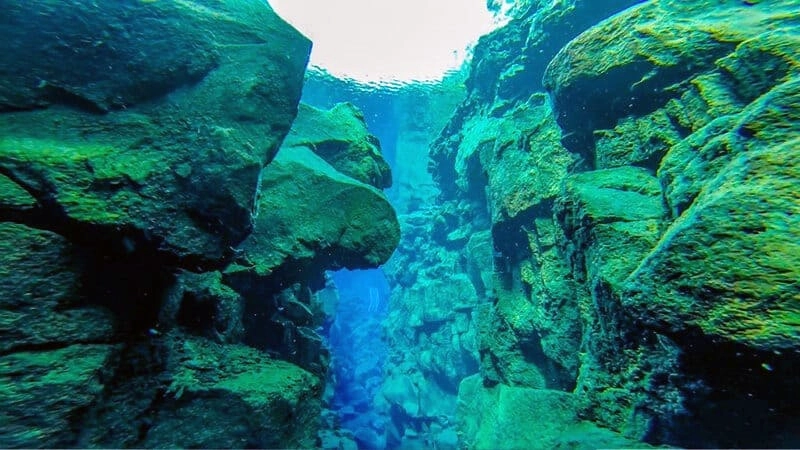
This is mainly a destination for experienced divers. Water temperatures are cold year-round, so diving is typically done in a drysuit. For Silfra in particular, a drysuit certification is required. The main diving season runs from March to October, offering the best conditions and daylight. That said, winter diving is also possible. It’s colder and more demanding, but it comes with the rare bonus of potentially seeing the northern lights after a dive.
- 100 m+ visibility
- Crystal-clear glacial water
- Dry-suit diving essential
Best for: experienced divers, unique bucket-list dives
Water temperature: 2–4 °C
🇳🇴 Norway – Cold-Water Giants
Norway offers some of the most dramatic cold-water diving in Europe, combining towering fjords, rich marine life, and a surprising number of well-preserved shipwrecks. The cold, dark waters slow corrosion, making Norway an exceptional destination for wreck enthusiasts as well as nature-focused divers.
Norway’s fjords host:
- Vast giant kelp forests with cathedral-like light filtering through
- Iconic cold-water species such as wolf fish, vibrant nudibranchs, and large crabs
- Numerous wreck dives, from coastal cargo ships to WWII-era vessels resting in deep, sheltered fjords
- Seasonal orcas and whales, primarily encountered while freediving or snorkelling in winter months
Visibility can be excellent, especially outside plankton blooms, and many dives are calm despite the depth, thanks to fjord protection from open-sea conditions.
Best for: cold-water enthusiasts, wreck divers, dry-suit divers
Water temperature: 4–12 °C
Is Europe Good for Beginner Divers?
Yes, Europe is a very solid choice for beginner divers, especially for those learning in temperate water rather than tropical conditions. Many European dive destinations combine easy access with well-developed infrastructure, making the learning curve smoother and less intimidating.
Across much of Europe, beginners benefit from calm shore entries, which remove the pressure of boat diving early on. Training standards are high, dive centers are well regulated, and instructors are used to working with first-time divers and students. Visibility is often excellent, particularly in the Mediterranean, which helps build confidence with buoyancy, navigation, and basic skills.
Destinations like Malta and Gozo are especially beginner-friendly. Many dive sites are shallow, sheltered, and accessible directly from shore, yet still interesting enough to remain rewarding as skills improve. Parts of Spain and Italy offer similar advantages, with gentle conditions, clear water, and a wide range of dive profiles.
What makes Europe particularly appealing is progression. Beginners can start on easy, shallow dives and gradually move on to walls, wrecks, caverns, or deeper sites without changing destinations. This makes Europe a great place not just to learn, but to keep diving as experience and confidence grow.
Final Thoughts
Scuba diving in Europe is about variety, depth, and experience. One trip can include historic wrecks, volcanic caves, crystal-clear fissures, and open-ocean pelagics. Whether you prefer warm Mediterranean dives or dramatic cold-water adventures, Europe remains one of the most rewarding diving regions in the world.
Not found exactly what you’re looking to dive? Explore all scuba diving destinations across Europe and discover new regions, dive sites, and underwater experiences waiting to be explored.